
Dedicated OCR Product Teams
Oodles builds production-grade OCR platforms by combining computer vision, document AI, and NLP engineering. Our teams design scalable OCR systems using Tesseract, PaddleOCR, TrOCR, LayoutLM, OpenCV, TensorFlow, and PyTorch—delivering accurate text extraction, validation, and structured outputs for regulated environments.
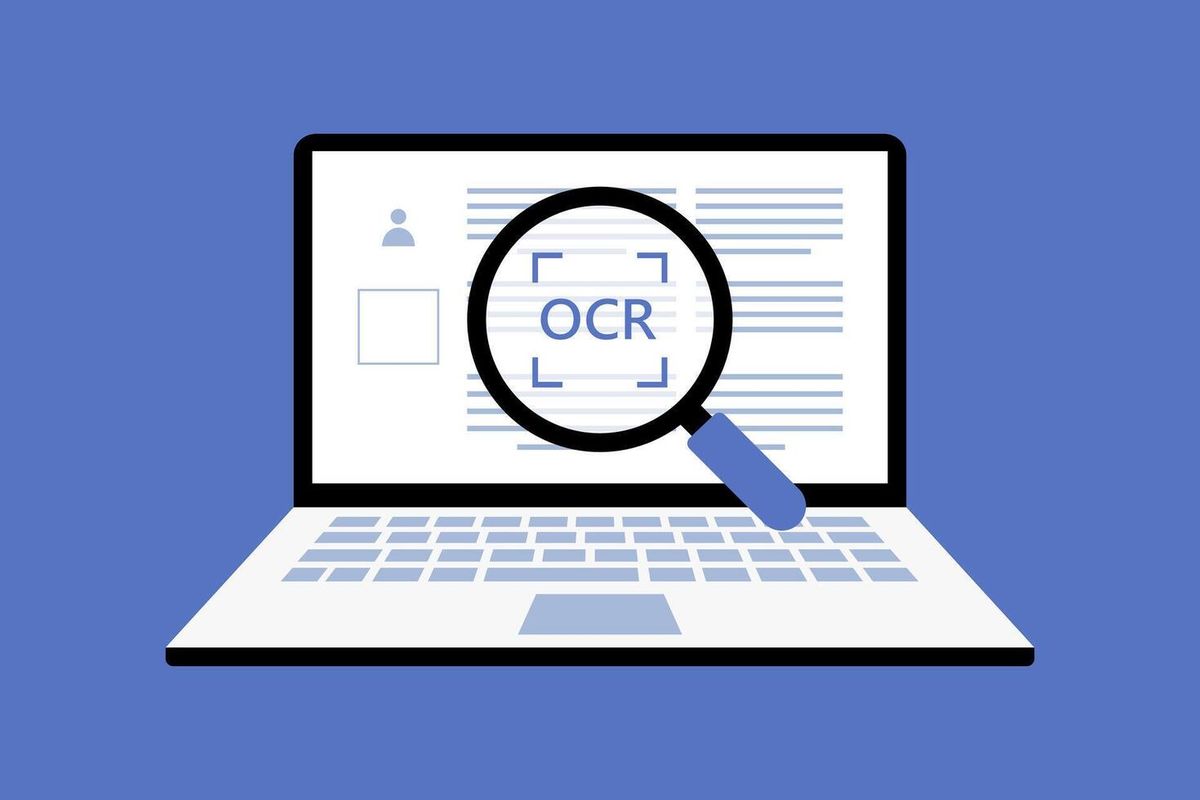
How We Build OCR Platforms
Oodles converts discovery workshops into production-ready OCR architectures. Our Python-driven OCR pipelines cover image preprocessing, text recognition, layout analysis, and NLP-based entity extraction. Using OpenCV, transformer-based OCR models, and containerized inference services, we ensure accuracy, scalability, and governed MLOps across the OCR lifecycle.
OCR Platform Modules We Engineer
Document Intake & Preprocessing
OCR-ready document ingestion via scanners, uploads, and APIs with preprocessing using OpenCV for deskewing, denoising, binarization, and layout segmentation to maximize recognition accuracy.
OCR Recognition & Document AI
Text recognition powered by Tesseract, PaddleOCR, and transformer-based TrOCR, combined with LayoutLM and spaCy for document structure analysis, entity extraction, and semantic validation.
Human-in-the-Loop Review
Confidence-driven review queues, assisted correction interfaces, and annotation workflows that continuously improve OCR accuracy while maintaining expert oversight.
Compliance & Quality Controls
Automated quality validation, PII masking, audit logs, and data retention controls aligned with GDPR, HIPAA, SOC 2, and enterprise document governance standards.
OCR APIs & Integrations
REST and GraphQL APIs that expose OCR-extracted structured data to ERP, ECM, LOS, BPM, and analytics platforms for downstream automation.
Deployment & MLOps Automation
OCR model CI/CD using MLflow, Docker, and Kubernetes with monitoring dashboards to track accuracy, latency, throughput, and model drift in production.
OCR Solution Blueprints
Proven OCR workflows that combine document intake, recognition, validation, and system integration for faster enterprise adoption.
Financial Services & Lending
OCR extraction from bank statements, KYC documents, and loan files with rule-based validation and audit-ready workflows.
Healthcare & Life Sciences
OCR of clinical documents, prescriptions, and lab reports with PHI masking and compliance-aware data handling.
Insurance Claims Automation
OCR automation for claim forms, invoices, and adjuster notes enabling faster FNOL and claims adjudication.
Public Sector & Records
Large-scale OCR digitization of forms, land records, and archives with searchable text, metadata tagging, and retention policies.
Supply Chain & Trade Docs
OCR extraction from invoices, bills of lading, and customs documents with downstream ERP and trade compliance integrations.
Publishing & Archival Digitization
Large-scale OCR conversion of books, contracts, and historical archives into searchable and structured digital content.
FAQs (Frequently Asked Questions)
We use Tesseract, Google Document AI, Azure Form Recognizer, and custom deep learning models (CNNs, transformers) for handwritten and printed text. We choose based on accuracy, language support, and layout complexity.
Yes. We use ICR (Intelligent Character Recognition) and custom models for handwriting. For degraded or scanned documents, we apply preprocessing (deskew, denoise, binarization) and train on domain-specific data to improve accuracy.
We use layout analysis to detect tables, key-value pairs, and fields. We combine OCR with NER and validation rules. We output JSON, databases, or ERP formats. We handle template-based and variable-layout documents with human-in-the-loop for edge cases.
Yes. We support 100+ languages with Tesseract and cloud APIs. We handle mixed-language documents and script detection. We fine-tune models for low-resource languages and domain-specific terminology.
We use confidence scores, validation rules (dates, amounts, IDs), and human review workflows. We provide correction UIs and feedback loops to improve models. We report accuracy metrics (character, word, field-level) per document type.
Yes. We deploy on AWS, Azure, GCP, or on-premise. We use Docker/Kubernetes for scale. We support batch processing (queues) and real-time APIs. We handle secure storage and retention per your compliance needs.
Standard projects take 6–10 weeks: requirement analysis, model selection/training, integration, and deployment. Complex multi-document or custom model projects may take 3–6 months. We provide MVP and phased rollouts.
Need a dedicated team for OCR Software Development? Let's talk






We are ISO 9001:2015 Certified
Connect with us

Follow us