
Deploy Intelligent Voice Synthesis Chatbots at Scale
Oodles builds production-ready voice synthesis chatbots that combine conversational AI with neural text-to-speech technology for natural, human-like voice interactions. Our solutions are engineered using Python-based TTS models, C/C++ audio engines, enabling real-time, multilingual, and brand-aligned voice responses across customer service, healthcare, automotive, and smart devices.
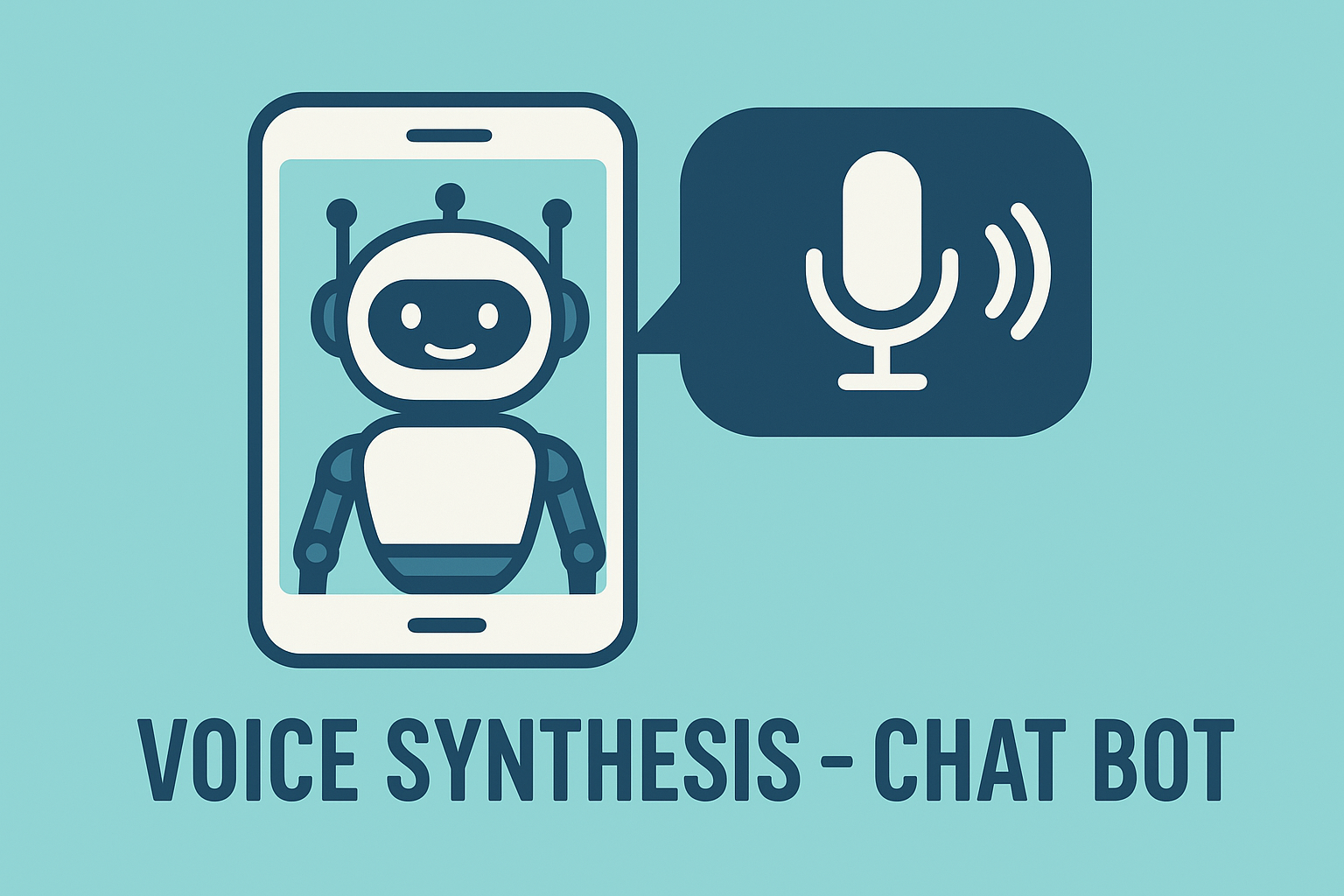
What is Voice Synthesis Chatbot?
A Voice Synthesis Chatbot combines conversational AI with neural Text-to-Speech (TTS) technology to convert generated text responses into natural-sounding speech. These systems are typically built using Python for speech synthesis models, C/C++ for low-latency audio processing, and JavaScript-based APIs to integrate voice output into chat interfaces and applications.
Why Choose Our Voice Synthesis Chatbot Services?
- ✓ Neural voice synthesis using deep learning TTS models
- ✓ Python-driven speech pipelines with C/C++ optimized inference
- ✓ JavaScript APIs for seamless chatbot and frontend integration
- ✓ Real-time voice streaming with low latency
- ✓ Custom voice personas aligned with brand identity
Natural Voices
Human-like intonation
Multi-Language
Global support
Real-Time
Instant synthesis
Customizable
Brand-aligned voices
How Our Voice Synthesis Chatbots Operate
From text input to natural voice output: an efficient workflow powered by AI for seamless voice interactions.
1
Input Processing: User input is processed by the chatbot logic using JavaScript or backend APIs to generate a structured text response.
2
Text-to-Speech Conversion: The response text is synthesized into speech using Python-based neural TTS models and high-performance vocoders.
3
Voice Customization: Voice style, pitch, accent, and emotion are applied using SSML and model parameters.
4
Audio Delivery: Synthesized audio is streamed to users via WebSocket, WebRTC, or HTTP-based APIs.
5
Monitoring & Optimization: Latency, voice quality, and user engagement are monitored for continuous tuning.
Key Features & Capabilities
Natural Voice Generation
Neural TTS models producing human-like speech with realistic prosody.
Multi-Language Support
Synthesis in multiple languages and accents for global reach.
Real-Time Processing
Low-latency synthesis powered by optimized C/C++ audio pipelines.
Custom Voice Personas
Brand-specific voice identities with controlled tone and emotion.
Integration Flexibility
REST, WebSocket, and JavaScript SDK integration with chatbot platforms.
Accessibility Support
Voice-enabled experiences for visually impaired and hands-free use cases.
Our Voice Synthesis Chatbot Solutions & Use Cases
Enhance your applications with voice-enabled chatbots for better engagement, accessibility, and efficiency across industries.
Customer Service Voice Bots
Automated voice responses for IVR systems, support apps, and call centers.
Virtual Voice Assistants
Speech-enabled assistants for smart devices and applications.
Educational Tools
Voice-narrated learning content for accessible education.
Healthcare Voice Assistants
Voice-guided patient support, reminders, and health information delivery.
Automotive Voice Systems
In-car voice interfaces for navigation, infotainment, and controls.
FAQs (Frequently Asked Questions)
AI voice synthesis enhances chatbot performance by delivering natural, human-like speech responses, improving user engagement, reducing friction, and enabling seamless conversational voice interactions.
Yes, modern voice synthesis services provide multilingual and accent-adaptive speech generation, allowing businesses to deploy globally scalable voice-enabled chatbots.
Neural voice synthesis systems use deep learning models, transformer architectures, and advanced text-to-speech engines to generate realistic tone, pacing, and emotional inflection.
Enterprise voice synthesis platforms support real-time speech generation via scalable cloud APIs, enabling live IVR systems, AI receptionists, and voice-enabled customer support.
AI voice synthesis deployments include encrypted APIs, secure cloud infrastructure, compliance-ready architecture, and enterprise-grade data protection mechanisms.
Yes, voice synthesis services enable custom voice modeling and AI voice cloning, helping brands deliver consistent, recognizable, and emotionally aligned conversational experiences.
Enterprises achieve lower operational costs, improved automation efficiency, enhanced customer experience, and scalable AI-driven communication through voice synthesis integration.
Ready to build with Voice Synthesis? Let's get in touch






We are ISO 9001:2015 Certified
Connect with us


Follow us