
Build Intelligent Systems with Machine Learning
Oodles designs and deploys end-to-end Machine Learning solutions that help businesses predict outcomes, automate decisions, and extract insights from large-scale structured and unstructured data. Our machine learning engineers build models using Python, NumPy, Pandas, scikit-learn, XGBoost, LightGBM, PyTorch, TensorFlow, and production-grade MLOps pipelines to deliver scalable, explainable, and high-performance ML systems.
What is Machine Learning?
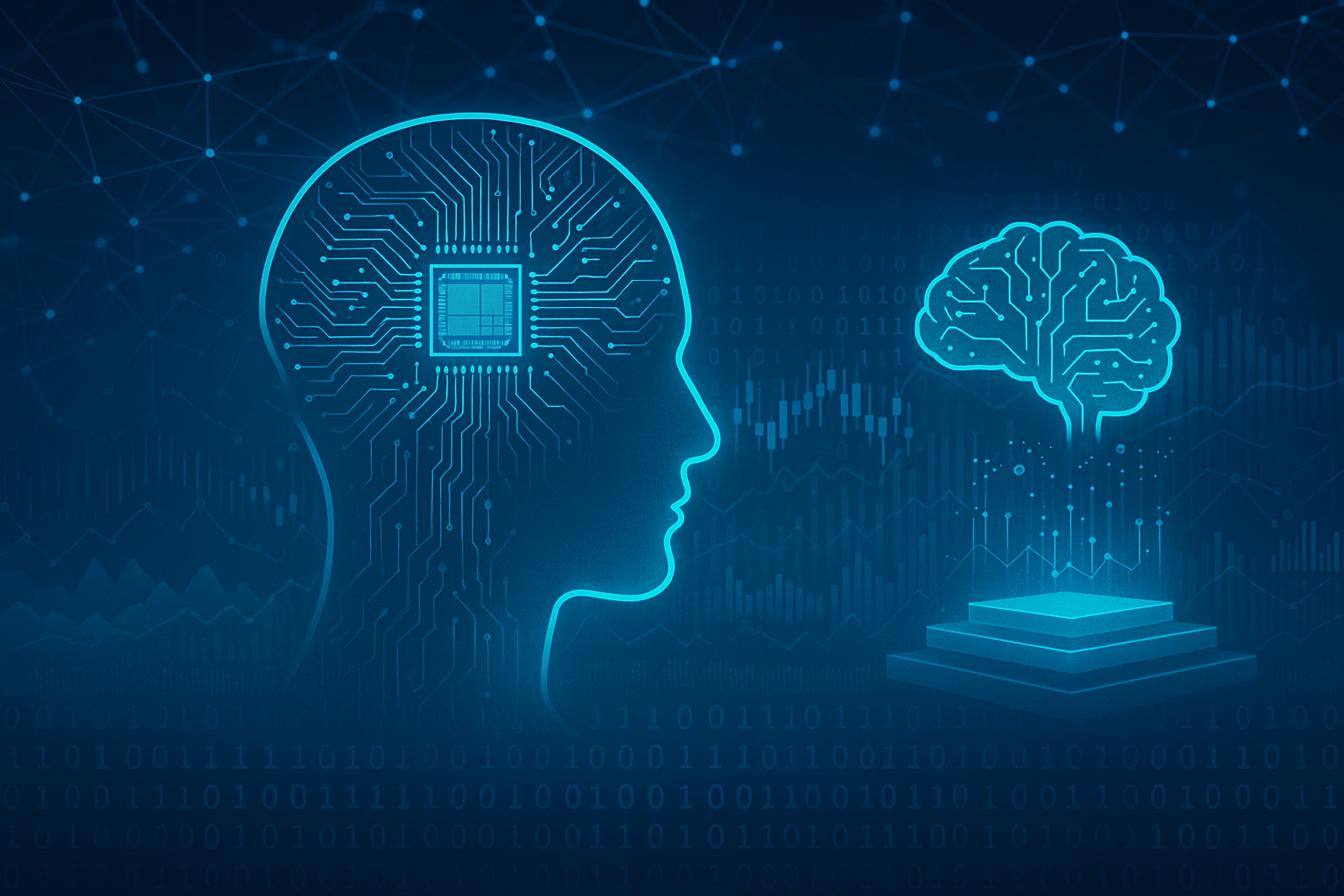
Machine Learning (ML) is a core discipline of artificial intelligence that enables systems to learn patterns from data and improve predictions without explicit rule-based programming.
Using algorithms implemented with scikit-learn, XGBoost, LightGBM, and deep learning frameworks such as PyTorch and TensorFlow, ML models continuously optimize performance across classification, regression, clustering, and decision-making tasks.
Machine Learning Development Pipeline
Data Collection
Structured and unstructured data from APIs, databases, logs, and data warehouses using Python, SQL, and data ingestion pipelines
Preprocessing
Data cleaning, normalization, and feature engineering using Pandas, NumPy, scikit-learn, and feature pipelines
Model Training
Model training using supervised, unsupervised, and reinforcement learning algorithms implemented with scikit-learn, XGBoost, LightGBM, PyTorch, and TensorFlow
Evaluation
Accuracy, precision, recall, F1, ROC-AUC
Deployment & MLOps
Model deployment via REST APIs, cloud platforms, batch pipelines, and MLOps workflows using Docker, MLflow, CI/CD, and monitoring systems
Core Machine Learning Paradigms
Supervised Learning
Labeled datasets used for classification and regression models built with scikit-learn, XGBoost, LightGBM, and neural networks
Unsupervised Learning
Unlabeled datasets analyzed using clustering, dimensionality reduction, and anomaly detection algorithms such as K-Means, DBSCAN, PCA, and Isolation Forest
Reinforcement Learning
Reward-based learning for sequential decision-making using reinforcement learning algorithms implemented with PyTorch-based frameworks
Industry-Specific ML Applications
Predictive Maintenance
Reduce downtime using sensor data and failure prediction models.
Fraud Detection
Real-time anomaly detection in transactions using ensemble models.
Demand Forecasting
Optimize inventory and supply chain with time-series models.
Personalization Engines
Boost user engagement using machine learning-based recommendation systems
Oodles Machine Learning Delivery Methodology
Discovery
Requirements, data audit, feasibility
PoC
Prototype with sample data
MVP
Production-ready core model
Scale
MLOps, monitoring, CI/CD
FAQs (Frequently Asked Questions)
Machine learning is a subset of AI that enables systems to learn and improve from experience without explicit programming. Unlike traditional programming where rules are coded manually, ML algorithms identify patterns in data and make predictions or decisions based on those patterns. This allows systems to adapt and improve performance over time as they process more data.
We develop supervised learning models (classification and regression), unsupervised learning models (clustering and dimensionality reduction), reinforcement learning models, and deep learning models including neural networks. Our expertise includes predictive analytics, recommendation systems, natural language processing, computer vision, and time series forecasting models tailored to your specific business needs.
The data requirements vary based on model complexity and problem type. Simple models may work with hundreds of examples, while deep learning models typically need thousands or millions. We assess your specific use case and can employ techniques like transfer learning, data augmentation, and synthetic data generation to work with limited datasets. We also help you establish data collection strategies to improve model performance over time.
We implement rigorous validation processes including train-test splits, cross-validation, and holdout datasets. We use appropriate metrics (accuracy, precision, recall, F1-score, RMSE) based on your use case. Our models undergo bias detection, fairness testing, and robustness checks. We also implement continuous monitoring in production to track model drift and retrain models when performance degrades.
Timelines vary based on project complexity, data availability, and requirements. A proof-of-concept typically takes 4-8 weeks, while production-ready solutions range from 3-6 months. This includes data collection and preparation (30-40%), model development and training (30-40%), testing and validation (15-20%), and deployment (10-15%). We provide detailed project timelines during the initial assessment phase.
Yes, we specialize in seamless integration with existing systems. We deploy models through REST APIs, microservices, or embedded solutions compatible with your infrastructure. Our deployment options include cloud platforms (AWS, Azure, GCP), on-premises servers, edge devices, and hybrid environments. We ensure minimal disruption to your operations and provide comprehensive documentation for your team.
We offer comprehensive post-deployment support including performance monitoring, model retraining and updates, bug fixes, and infrastructure maintenance. Our MLOps practices ensure continuous monitoring of model performance, automated alerting for anomalies, and scheduled retraining to prevent model drift. We also provide training for your team and documentation for model management and troubleshooting.
Ready to build Machine Learning solutions? Let's talk






We are ISO 9001:2015 Certified
Connect with us


Follow us