
Agent2Agent Protocol (A2A): Standardized Communication Infrastructure for Autonomous AI Agents
Agent2Agent Protocol (A2A) enables autonomous software agents to discover, communicate, negotiate, and coordinate with other agents across distributed systems using standardized messaging, security, and negotiation mechanisms. Designed and implemented by Oodles, A2A is built using Python, REST APIs, gRPC, WebSockets, and cryptographic security layers to support scalable, secure, and interoperable multi-agent ecosystems across enterprise and real-time environments.
What is Agent2Agent Protocol (A2A)?
Agent2Agent Protocol (A2A) is a communication and coordination framework that allows autonomous agents to interact directly with other agents without centralized control or human intervention.
A2A defines how agents identify themselves, discover peers, exchange structured messages, negotiate tasks, and coordinate execution using standardized communication patterns and protocols.
Oodles builds A2A-based systems using backend languages such as Python and C/C++, real-time communication f rameworks, and secure identity layers to ensure interoperability across heterogeneous agent platforms.
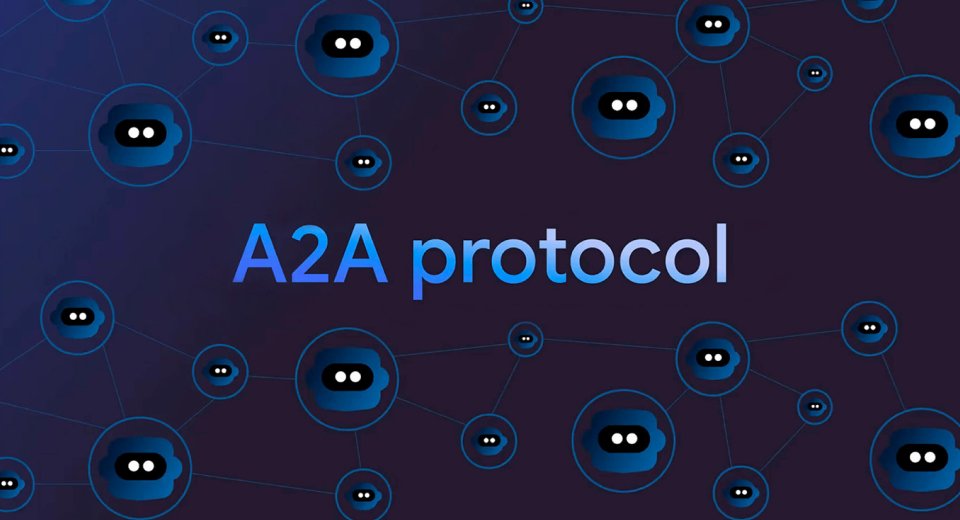
A2A Protocol Architecture
Discovery
Service registries & broadcasts
Negotiation
Task & resource contracts
Messaging
JSON / ACL payloads
Execution
Distributed task actions
A2A enables agents to autonomously coordinate distributed tasks using standardized discovery, negotiation, messaging, and execution workflows.
A2A Protocol Capabilities
Agent Discovery
Dynamic agent discovery using registries, metadata exchange, and capability matching.
Standardized Messaging
Inter-agent messaging using JSON, JSON-LD, and ACL-based message structures.
Negotiation Protocols
Automated negotiation logic for task allocation, pricing, and service agreements.
Security & Identity
Agent identity verification using OAuth 2.0, JWT, encryption, and trust scoring.
Coordination Patterns
Task delegation, workflow orchestration, and consensus mechanisms for multi-agent collaboration
Monitoring & Telemetry
Real-time tracking of agent interactions, performance metrics, and ecosystem health monitoring
A2A Protocol Use Cases
Multi-Agent Marketplaces
Autonomous agents discover, negotiate, and exchange services.
Supply Chain Coordination
Distributed agents coordinate logistics, inventory, and fulfillment.
💹 Algorithmic System
Autonomous agents collaborate in financial, operational, and analytical systems.
🏥 Healthcare Networks
Medical AI agents collaborate for diagnosis, treatment planning, and resource allocation.
🌍 IoT Device Ecosystems
Smart devices negotiate resource usage, energy distribution, and task prioritization.
🎮 Gaming & Simulation
NPCs and simulation agents interact dynamically, creating emergent behaviors.
Build Your Multi-Agent Ecosystem
Enable autonomous agent collaboration with standardized A2A protocol implementation. Create scalable, interoperable multi-agent systems.
Start Your A2A ProjectFAQs (Frequently Asked Questions)
Agent2Agent Protocol (A2A) enables secure, standardized communication between autonomous AI agents, allowing them to exchange data, coordinate tasks, and execute collaborative workflows across distributed systems.
A2A development services include agent communication frameworks, decentralized orchestration layers, API standardization, secure agent authentication, and scalable multi-agent infrastructure deployment.
Agent2Agent Protocol enhances collaboration by enabling task delegation, real-time state synchronization, shared memory systems, and coordinated decision-making between multiple AI agents.
A2A integrates with enterprise AI frameworks, cloud infrastructure, APIs, and orchestration engines to enable secure cross-agent communication and scalable automation workflows.
Adopting A2A enables scalable AI ecosystems where agents independently communicate, negotiate tasks, optimize workflows, and execute distributed intelligence across digital environments.
A2A uses encrypted communication channels, agent authentication mechanisms, decentralized identity management, and compliance-ready governance frameworks to secure inter-agent interactions.
Fintech, Web3, IoT ecosystems, AI marketplaces, enterprise SaaS platforms, and decentralized commerce networks leverage A2A solutions for autonomous multi-agent collaboration and workflow automation.
Ready to implement A2A Protocol? Let's get in touch






We are ISO 9001:2015 Certified
Connect with us


Follow us