Enterprise-Grade Text to Speech (TTS) Solutions
Oodles builds scalable and production-ready Text to Speech (TTS) systems that transform written content into natural, human-like speech using advanced neural voice synthesis and deep learning technologies. Our Text to Speech solutions are engineered using Python-based TTS models, cloud-native speech services to deliver low-latency, multilingual, and expressive speech output for enterprise applications such as voice assistants, IVR systems, accessibility tools, audiobooks, and conversational AI platforms.
What is Text to Speech?
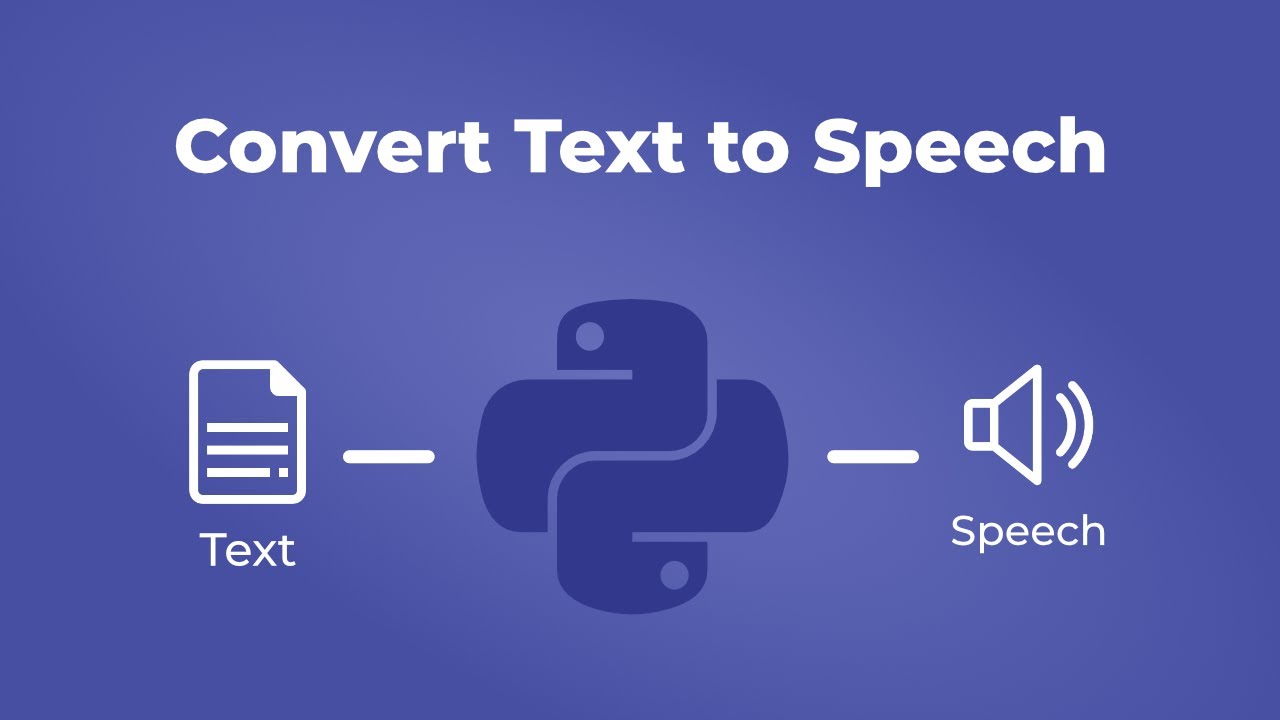
Text to Speech (TTS) is an AI-powered technology that converts written text into spoken audio using neural networks and acoustic modeling techniques. Modern TTS systems generate speech with natural intonation, rhythm, and pronunciation, closely resembling human voices.
At Oodles, Text to Speech solutions are developed using Python for model orchestration and training, C and C++ for high-performance audio synthesis, and cloud TTS APIs for scalable speech generation. SSML is used extensively to control pitch, speed, pauses, and voice emotions.
Why Choose Oodles AI for Text to Speech Solutions?
Oodles specializes in building enterprise-grade Text to Speech systems that combine neural voice synthesis, optimized audio pipelines, and scalable backend architectures to deliver consistent, high-quality speech output.
- • Neural Text to Speech models built using Python and deep learning frameworks
- • C/C++ optimized audio synthesis for low-latency performance
- • JavaScript-based TTS integration for web and frontend platforms
- • SSML-driven control for pitch, speed, pauses, and emphasis
- • Cloud, on-premise, and hybrid TTS deployment options
Neural Voice Synthesis
Human-like speech generation using deep neural networks and acoustic models.
Multilingual TTS
Speech synthesis across multiple languages with native pronunciation support.
SSML Voice Controls
Fine-grained control over pitch, speed, pauses, and voice emotions.
Low-Latency Processing
Optimized TTS pipelines for real-time streaming and interactive applications.
Text to Speech Development Workflow
A structured Text to Speech development lifecycle followed by Oodles to design, build, and deploy scalable, high-quality speech synthesis systems.
Use Case Definition
Identify speech output requirements and target platforms
Voice & Language Selection
Choose languages, accents, and voice styles
TTS Model Integration
Neural TTS models and speech synthesis APIs
Backend API Development
Python-based TTS APIs and audio pipelines
Testing & Deployment
Audio quality testing, monitoring, and scaling