Mastering Twilio: Advanced Features and Integrations
Twilio is no longer just an SMS or voice API. For experienced developers, it is a programmable communications platform capable of powering real-time, omnichannel, globally scalable customer interactions. This guide focuses on advanced Twilio capabilities, architectural patterns, and real-world integrations that matter in production systems.
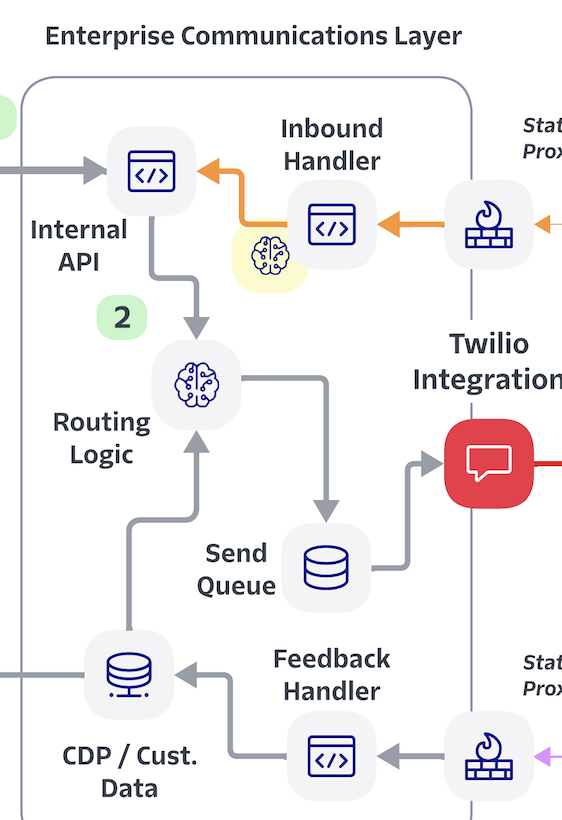
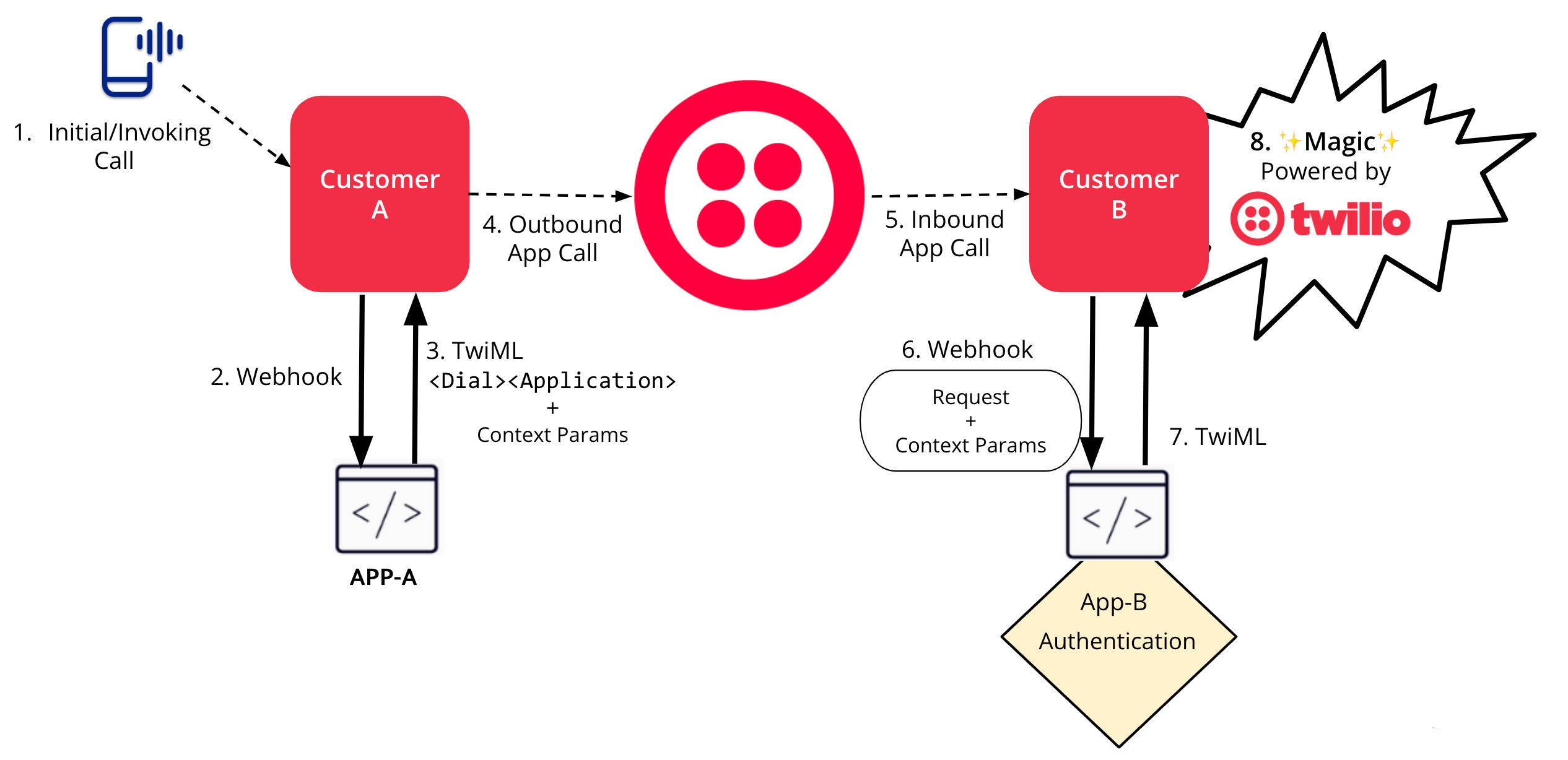
Why Twilio Still Matters for Developers
Twilio's value is not in “sending a message.” It's in abstracting telecom complexity while giving developers deep control through APIs, webhooks, and event-driven workflows. When used correctly, Twilio becomes infrastructure—not a feature.
Key strengths:
- Global carrier reach with redundancy
- Event-driven architecture via webhooks
- Fine-grained control over messaging, voice, and authentication
- Strong compliance and security primitives
Advanced Messaging Capabilities
1. Programmable Messaging Beyond SMS
Twilio supports SMS, MMS, WhatsApp, Facebook Messenger, and RCS through a unified API layer. Advanced use cases include:
- Intelligent channel fallback (WhatsApp → SMS)
- User-preferred channel routing
- Regional compliance-aware delivery
Best practice: Abstract Twilio behind a messaging service in your backend. Do not let product logic talk directly to Twilio.
2. WhatsApp Business API at Scale
Twilio's WhatsApp integration supports:
- Template-based transactional messaging
- Two-way conversational flows
- Media, buttons, and list messages
Production tip: Pre-approve templates early and design conversational state machines to avoid WhatsApp rate limits.
Voice API: Beyond Basic Calls
Programmable Voice with TwiML & Webhooks
Advanced voice use cases include:
- Dynamic IVRs generated at runtime
- AI-powered call routing
- Call whispering and call barging
- Real-time call recording and transcription
Use TwiML + webhooks to generate call logic dynamically based on user context, CRM data, or AI decisions.
SIP Trunking & WebRTC
For enterprise-grade systems:
- Use SIP Trunking to connect PBX systems
- Use Twilio Client (WebRTC) for browser-based calling
- Build softphones without telecom expertise
This is especially useful for contact centers, logistics platforms, and healthcare systems.
Authentication & Security: Twilio Verify
Twilio Verify goes far beyond OTP SMS:
- Multi-channel OTP (SMS, WhatsApp, voice, email)
- Fraud detection and rate limiting
- Silent Network Auth (SIM-based verification in supported regions)
Architectural insight: Never roll your own OTP system. Verification is a security boundary—outsource it.
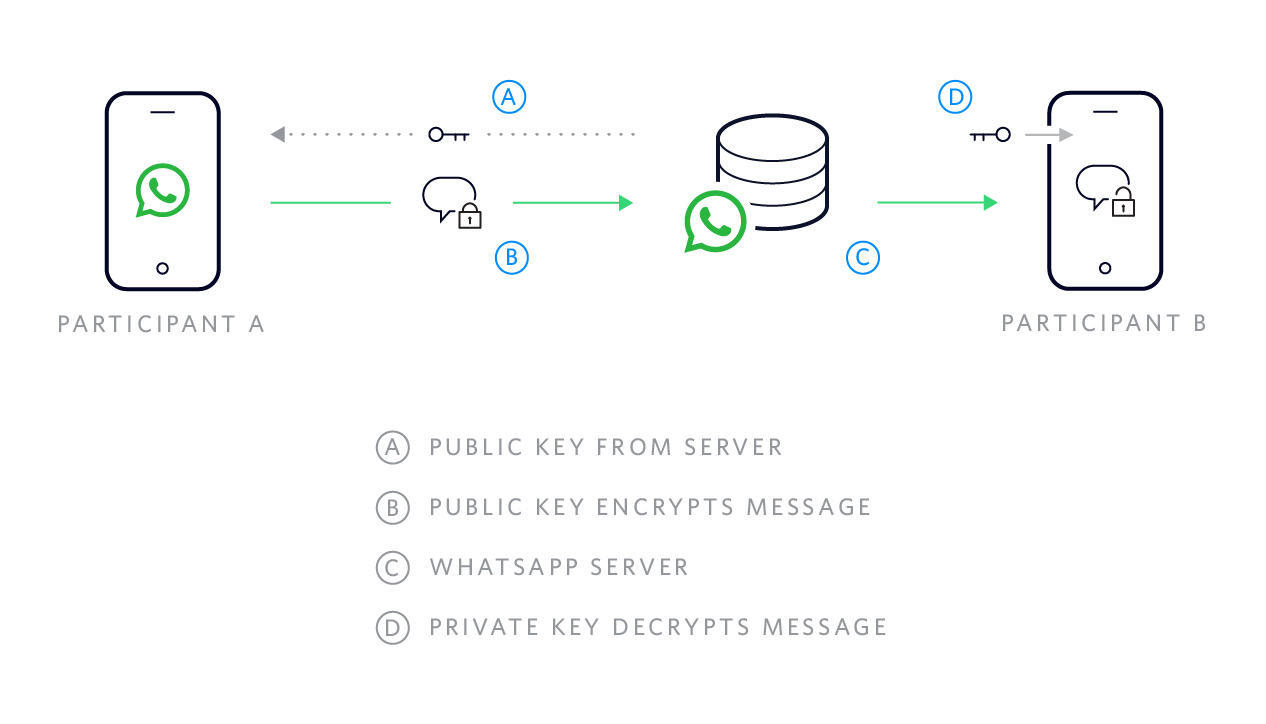
Event-Driven Architecture with Webhooks
Twilio is fundamentally event-driven:
- Message delivered
- Call answered
- Recording completed
- Verification approved
Design your backend to:
- Validate webhook signatures
- Process events asynchronously
- Use queues (SQS, Pub/Sub, Kafka) for reliability
Rule: Treat Twilio webhooks as untrusted external events—validate and retry safely.
Twilio Serverless: Functions & Assets
Twilio Functions allow you to run backend logic without managing infrastructure.
Use cases:
- Lightweight webhook handlers
- Call flow logic
- Prototyping integrations
Reality check: Functions are great for glue code. For core business logic, keep control in your primary backend.
Integrating Twilio with Your Stack
Common High-Value Integrations
- CRM: Salesforce, HubSpot (call logs, SMS tracking)
- Backend: Node.js, Python, Java, Go
- AI: LLM-based chat, voice bots, intent routing
- Data: Segment, Snowflake, BigQuery for analytics
AI + Twilio Is Where Things Get Interesting
Examples:
- Voice bots using speech-to-text + LLMs
- AI-assisted agent suggestions during live calls
- Automated follow-ups based on call sentiment
Twilio provides the pipes. Intelligence lives in your system.
Scaling & Cost Optimization
Twilio can get expensive if used carelessly.
Key strategies:
- Use WhatsApp or RCS instead of SMS where possible
- Batch messages and avoid per-user polling
- Monitor delivery rates and failed messages
- Use messaging services to manage sender pools
Blunt truth: If your Twilio bill surprises you, your architecture is wrong.
Compliance & Reliability
Twilio handles carrier compliance, but you still own responsibility for:
- User consent
- Opt-in / opt-out flows
- Regional regulations (GDPR, TCPA)
Use Twilio's compliance APIs, but document flows clearly for audits.
When Twilio Is (and Isn't) the Right Choice
Twilio Is Ideal When:
- You need fast global reach
- You want developer-first APIs
- You are building communication-heavy products
Twilio Is Not Ideal When:
- You only need cheap bulk SMS
- You want zero backend ownership
- You cannot tolerate usage-based pricing
Final Thoughts
Mastering Twilio means thinking in systems, not API calls. When architected properly, Twilio becomes a powerful communications backbone that scales with your product and integrates cleanly with modern backend and AI-driven systems.
Here is the video description where we have used in one of our previous projects :
https://youtu.be/E_466J7XoL4?si=pjOXN0L72b5c-TqQ